
Balancing Safety and Hospitality: Navigating Dilemmas as a Church Security Officer

In today’s world, the role of a church security officer has evolved dramatically. While the primary responsibility is to protect the congregation, the challenge often lies in balancing this duty with the principles of hospitality and acceptance that many churches uphold. This post examines the complex dilemmas faced by church security officers, especially regarding behavioral interpretation, personal boundaries, and potential risks linked to specific individuals or situations.
Understanding the Role of a Church Security Officer
The role of a church security officer is multifaceted. It involves not only monitoring the physical safety of the premises but also creating an environment where everyone feels welcome. This dual responsibility can lead to moral dilemmas, particularly when individual actions may raise safety concerns.
For example, if someone enters the church with numerous tattoos, how do you assess their intentions? Are their tattoos signs of past mistakes or expressions of their current state? A quick judgment can lead to serious consequences.
The Challenge of Judging Intentions
When observing individuals based on appearance, caution is essential. Judging someone solely by tattoos, clothing, or other visible traits can be misleading and may alienate potential visitors.
While it is natural to be alert, appearances can often deceive. A person with tattoos may have gone through a profound transformation. Therefore, it is vital to consider behavior over appearance. Studies show that about 50% of individuals with tattoos report having faced discrimination in social settings, highlighting the need for understanding and acceptance.

Navigating Cultural Sensitivities
Cultural sensitivities add another dimension to evaluating visitors. For instance, how do you respond if someone from a different cultural background visits your church, such as an individual from the Middle East? Are they a potential threat, or are they simply curious about the Christian faith?
Approaching each situation with cultural sensitivity is critical. An estimated 30% of congregants today come from diverse backgrounds, making it vital to understand that not everyone who appears different poses a risk.
Assessing Potential Threats
When encountering an unknown individual, particularly one carrying a large bag, caution is instinctive. However, this instinct must be balanced with the church’s mission of hospitality.
Should you request that they place their bag in a designated area for safety? Or do you monitor their behavior for any signs of trouble?
Warning Signs to Look For
When uncertain about an individual's intentions, remain observant. Some signs to consider include:
Nervous Behavior: Signs such as fidgeting, avoiding eye contact, or appearing overly anxious can indicate discomfort or ill intentions.
Unusual Questions: If a visitor asks probing questions about church security that seem out of place, this might require further attention.
The Dilemma of Searching Bags
One of the most challenging aspects of church security is deciding whether to search an individual's bag. Conducting a search without their knowledge raises moral and ethical questions.
Is it right to prioritize safety over personal privacy? If someone declines the search, how should you respond?
Handling Refusals
If an individual refuses a search, staying calm and respectful is vital. Explain the church's safety policies and express your concerns, but also respect their boundaries.
In such cases, you may face a judgment call: do you ask them to leave, or allow them to stay while monitoring them closely?
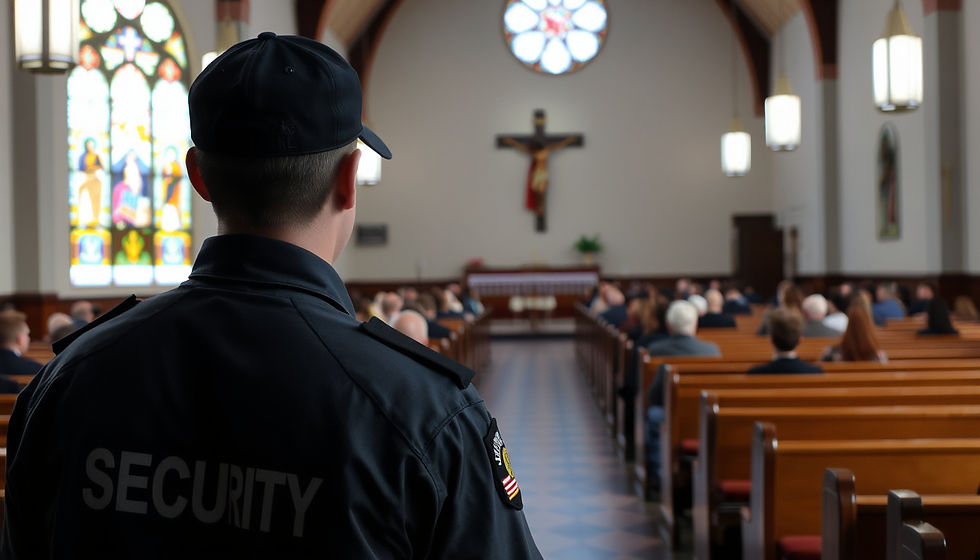
Balancing Safety and Hospitality
Ultimately, the question becomes: how do you maintain security without making potential new members feel unwelcome?
Creating an atmosphere where individuals feel safe and accepted is achievable through clear communication and a friendly demeanor.
Creating a Welcoming Environment
To foster a welcoming atmosphere, consider implementing these strategies:
Training and Awareness: Regular training for security personnel can emphasize the importance of hospitality in their roles. For example, training sessions could include role-playing scenarios to prepare officers for real-life situations.
Visible Security Presence: Having a visible security presence not only deters potential threats but also reassures congregants that their safety is a priority. In surveys, about 70% of congregation members express a feeling of safety when they see security personnel present during services.
Responding to Growing Violence
Given the increase in violent incidents directed at churches in recent years, it is crucial to respond effectively to potential threats.
This response must focus not only on physical security measures but also on cultivating a strong sense of community and belonging. A report from the Faith Community Safety Network indicates a 25% rise in violence against houses of worship in the last five years, underscoring the need for active engagement and vigilance.
Final Thoughts
The role of a church security officer is undeniably complex, demanding a careful balance between safety and hospitality. As you navigate these challenges, remember that your primary goal is to create a safe and welcoming environment for everyone.
By engaging with an open mind, promoting communication, and remaining vigilant, you can help ensure that your church remains a sanctuary for all.


Comments