
Safety Teams for Houses of Worship

In an era where safety concerns are increasingly prominent, the well-being of congregants in houses of worship is paramount. From minor injuries to serious crises, a well-prepared safety team can make a life-saving difference. This blog post explores why emergency preparedness is essential in churches and other places of worship. It highlights the various scenarios that can occur and emphasizes the vital role safety teams play in protecting everyone involved.
Understanding the Need for Safety Teams
Houses of worship are often seen as sanctuaries. They offer people a sense of community and spiritual growth. However, these spaces can also face emergencies. A small incident like a cut may happen, but more serious situations, such as a fire or an active shooter, are also real possibilities. The presence of a trained safety team ensures that help is available immediately, helping to prevent panicked reactions and maintain order.
Consider this: according to the FBI, there were over 400 acts of hostility against churches and houses of worship in the United States in 2024. That is more than double the amount from the previous year. This emphasizes the importance of preparedness not just for minor incidents but for scenarios with life-threatening implications.
Types of Emergencies in Houses of Worship
Medical Emergencies
Medical emergencies vary significantly, from minor injuries to severe conditions like heart attacks or strokes. In fact, over 700,000 individuals experience a heart attack in the U.S. each year. With a trained team present, immediate first aid can be provided, potentially saving lives.
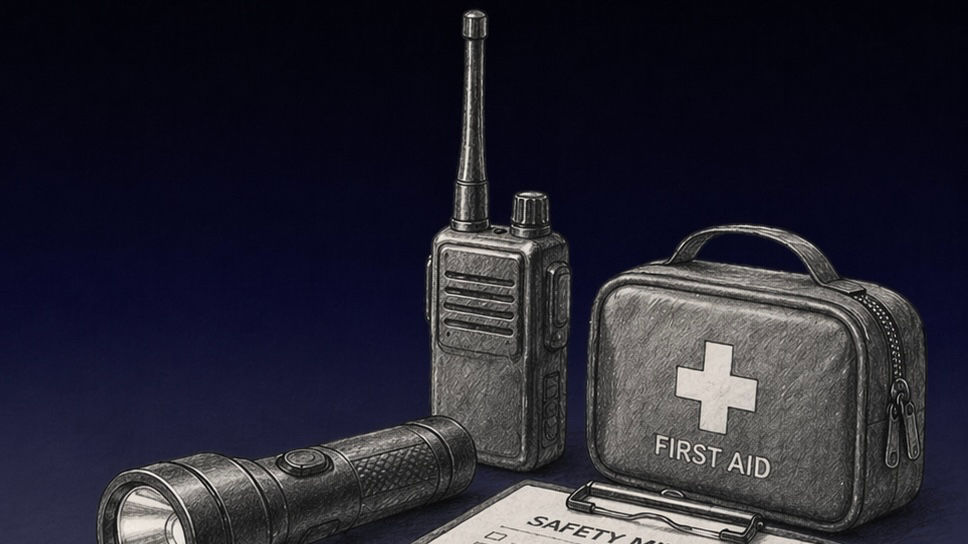
Members of the safety team should not only be familiar with basic first aid but also know the building layout, including locations of first aid kits and medical equipment. Regular first aid refresher courses are also beneficial for maintaining their skills.
Natural Disasters
Natural disasters such as tornadoes, earthquakes, or floods can strike suddenly. Houses of worship often serve as designated gathering spots for affected communities, making it crucial to have a safety team guiding congregants to safety.
For instance, during Hurricane Harvey in 2017, many churches acted as shelters, providing refuge for thousands in Texas. Without a solid emergency plan, chaos can ensue. Safety teams should establish clear procedures, including designated shelter areas and evacuation routes, and conduct regular drills to ensure everyone understands their roles.
Violent Incidents
Sadly, incidents involving violence, whether from disgruntled congregants or active shooters, are becoming increasingly common. A safety team trained to handle such situations can help de-escalate conflicts before they escalate into violence.
In the event of an active shooter scenario, a safety team trained in crisis management can carry out lockdown procedures and assist in communicating with law enforcement. Their presence can mean the difference between chaos and effective action.
The Role of Training in Emergency Preparedness
Regular Training Sessions
To maintain effectiveness, safety teams must participate in ongoing training. Sessions should cover various emergency scenarios: medical emergencies, natural disasters, and violent incidents. Additionally, communication skills are crucial. Clear, calm instructions can help reduce panic and confusion during emergencies.
For example, a study by the National Fire Protection Association found that effective communication can reduce emergency response times by 30%, greatly improving outcomes.
Collaboration with Local Authorities
Creating partnerships with local law enforcement and emergency services enhances a safety team’s capability. Engaging in regular meetings and joint training exercises can ensure everyone understands local procedures and protocols, creating a unified response when emergencies arise.
Community Involvement
Engaging the congregation in safety training can create a culture of preparedness. Workshops that teach congregants what to do in various emergencies can significantly increase safety. For example, providing CPR training to community members not only empowers them with skills but also fosters a sense of collective responsibility for one another's safety.
Creating an Emergency Response Plan
Assessing Risks
The first step in creating an effective emergency response plan is to assess potential risks. This includes evaluating the building’s layout, identifying hazards, and understanding the unique makeup of the congregation. For instance, knowing how many children are in the community can dictate specific safety measures during emergencies.
Developing a Comprehensive Plan
Once risks have been evaluated, a detailed plan should be developed. This plan should outline procedures tailored to various emergency scenarios, detailing evacuation routes, communication protocols, and roles for each safety team member. Ensuring clarity in roles can prevent confusion during a crisis.
Regular Review and Updates
Emergency plans should be dynamic. Regular reviews and updates are essential to keep this plan relevant and effective. Changes in the congregation, building structure, or local emergency services require consistent revision.
Ensuring a Safe Environment in Our Places of Worship
A safety team in every house of worship is not optional but essential for protecting the well-being of congregants. From minor medical issues to serious threats, a dedicated team provides critical support and guidance, enabling a swift and effective response.
By investing in regular training, crafting comprehensive emergency response plans, and promoting a culture of safety, houses of worship can ensure they remain sanctuaries of peace and security for all who enter.

In a world where emergencies are unpredictable, prioritizing preparedness in houses of worship is vital. Establishing a trained safety team is a significant step toward safeguarding the community and ensuring a peaceful environment for worship.

Comments