
Carrying a Gun Is Not the Same as Having a Safety Ministry

Carrying a gun is a great start. In some churches, it may be a necessary part of the safety plan. The threat is real, and pretending otherwise is foolish. But carrying a gun is not the same as having a safety ministry.
That is a mistake a lot of churches make. They assume that if someone in the building is armed, safety is covered. It is not. A firearm is a tool. It is not training, judgment, discipline, or structure. And without those things, it can be useless or dangerous. That is the part some people do not want to hear.
I have seen that mindset up close. Someone has prior security experience, or they are comfortable around firearms, and they assume that should be enough. At one point, I had to explain that very issue to someone at my church. Because of his background, he believed he should be able to carry in the church. But the real question was not whether he could carry a gun. The real question was whether he was willing to train, follow procedures, and function within the ministry the same way everyone else was expected to. He was not willing to do that.
And there is a hard line there. If you are unwilling to train, unwilling to follow the same procedures, and unwilling to submit to the same standards as the rest of the ministry, you should not expect to be given the same responsibilities. That is not unfair. That is wisdom.

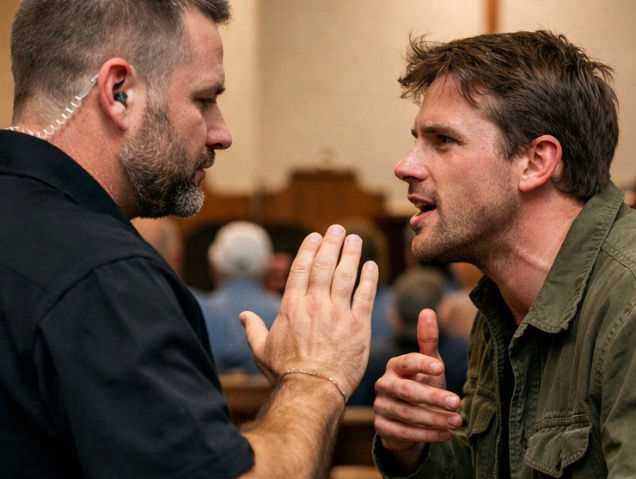
Too many people focus on the firearm and stop there. They treat the ability to respond to violence as though that alone makes them prepared. It does not. Church safety is not limited to violent threats. A real safety ministry also has to think about fires, medical emergencies, weather, disruptive individuals, domestic spillover, and people in emotional crisis. In many cases, the right response is not force. It is awareness, communication, calm direction, or de-escalation. That is where the difference becomes obvious.
An armed volunteer may be centered mainly on the gun. A safety ministry should be centered on service, readiness, discipline, and sound judgment.
We do not carry a firearm because we want to. We carry one because the threat is real and because there may come a point where immediate action is necessary. But that is only one part of the responsibility. A healthy safety ministry is also thinking about medical readiness, emergency planning, communication, and how to protect people without damaging the atmosphere of the church. That mindset matters.
Because when the role becomes about authority, ego, or identity, it starts to show. The congregation picks up on it. People can tell when someone carries himself like a servant and when someone carries himself like he enjoys the idea of power. And once that shift happens, the atmosphere of the church begins to change.
That is one reason I push back against the idea that having a gun is enough. Once the firearm becomes the center of the role, the ministry begins to drift. It stops being about protecting people the right way and starts becoming about image. That is not what a church needs.
Nehemiah gives a good picture of balance. The people were building while also being prepared to defend. The weapon was there, but it was not the whole identity. The work still mattered. The mission still mattered. That is much closer to what church safety should look like. Prepared, yes. But still focused on the larger purpose.
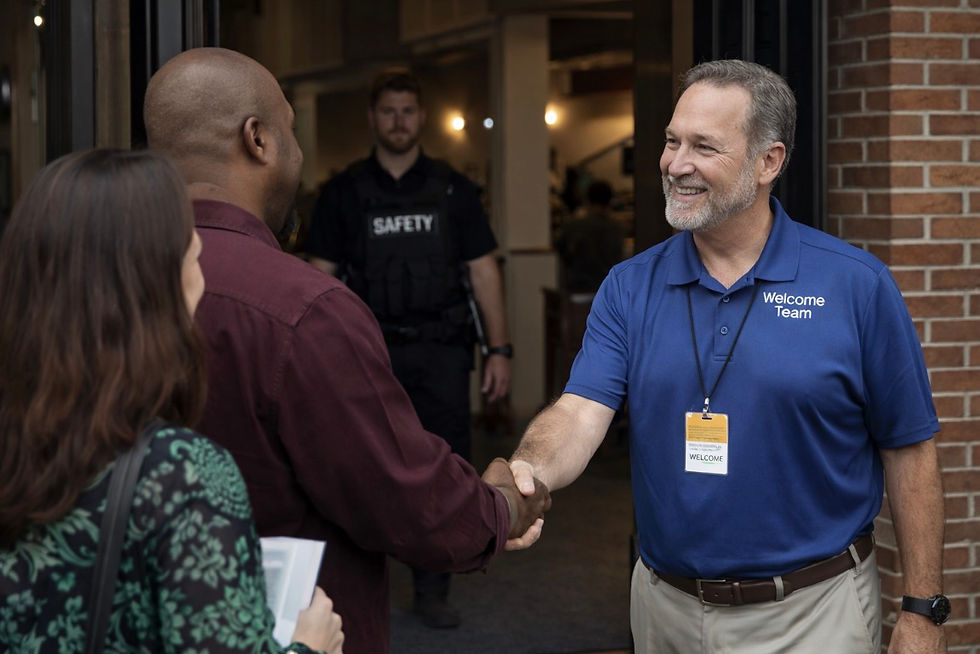
The same principle shows up in the words of Christ. He did not come to be served, but to serve. That matters here. A safety ministry is not defined by how armed it looks. It is defined by how well it serves, how well it trains, and how seriously it handles the responsibility it has been given.
Training is not optional. It is part of the responsibility. The same goes for procedures, communication, and learning when to observe, when to engage, when to de-escalate, and when action is necessary. That is what separates a safety ministry from a few armed men in a room. One is built on structure, service, and preparedness. The other is often just a reaction waiting for a moment.
Churches need to understand that difference. But so do the people who want to serve in safety ministry.

Not everyone who carries should serve. Not everyone with a security background should serve. And not everyone who wants the responsibility is willing to carry it the right way.
Because this role is not just about whether someone can shoot. It is about whether they can think clearly, train consistently, stay disciplined, communicate well, and function as part of a ministry instead of as an individual operating on his own. That is the standard. And it should be.
A church safety ministry should never be built around ego, convenience, or assumptions. It should be built around service, readiness, order, and the understanding that protecting people requires more than a firearm.
Carrying a gun may be a start.
But by itself, it is not enough.

Comments