
How Serving on a Church Safety Team Benefits Your Public Life

When people think about church safety or security teams, they usually assume the role begins and ends at the church doors. The reality is different. Serving on a church safety or security team develops skills, habits, and character traits that directly carry over into everyday public life. The impact goes far beyond Sunday morning.
Situational Awareness Becomes Second Nature
One of the first skills developed on a church safety team is situational awareness. You learn to read rooms, notice behavioral anomalies, recognize environmental risks, and anticipate problems before they escalate.
That awareness does not shut off when you leave church. It follows you into grocery stores, parking lots, workplaces, restaurants, and public events. You begin to notice exits, lighting conditions, crowd dynamics, and potential hazards automatically. This does not make you paranoid—it makes you prepared.
Prepared people avoid problems more often than they confront them.
De-escalation Skills Improve Everyday Interactions
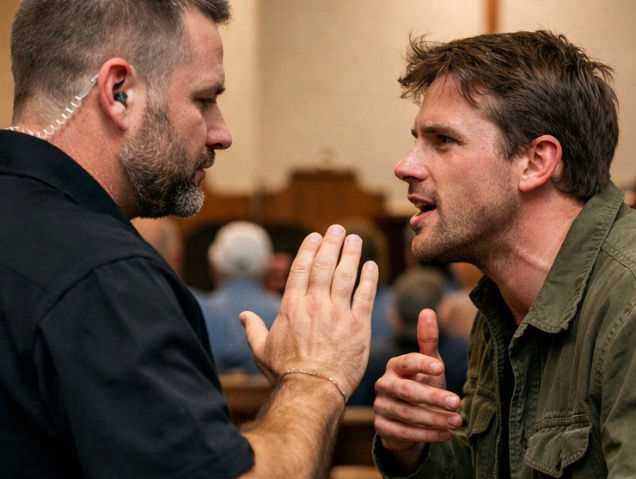
Church safety teams are not about force; they are about prevention. Most real-world incidents are resolved through calm presence, clear communication, and early intervention. Team members learn how to speak confidently, control tone, manage emotions, and defuse tension without escalating a situation.
These skills are invaluable in public life:
Handling workplace conflict
Dealing with aggressive or distressed individuals
Navigating heated conversations without losing control
Protecting others while keeping situations calm
People who can de-escalate instead of inflame become leaders, whether they intend to or not.
You Become a Protector, Not a Bystander
Serving in a safety role changes your mindset. You stop assuming “someone else will handle it.” Instead, you take responsibility for the people around you.
In public settings, that often looks like:
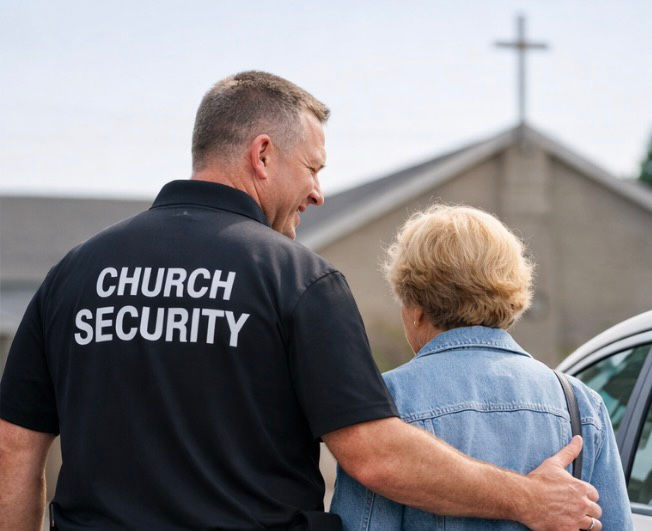
Walking someone to their car when something feels off
Noticing when a child is separated from a parent
Intervening early when a situation is clearly going sideways
Calling attention to safety hazards others ignore
This does not mean seeking confrontation. It means choosing responsibility over indifference.
Discipline and Reliability Carry Over Everywhere
Church safety teams require consistency, punctuality, preparedness, and accountability. When people depend on you to be alert and ready, you learn quickly that showing up halfway is not an option.
Those same traits translate directly into public and professional life:
Employers notice reliability
Coworkers trust consistency
Friends and family recognize dependability
Security work sharpens discipline because the cost of negligence is real.
Your Reputation Quietly Changes
Most safety team members do not announce what they do—and they do not need to. Over time, people notice patterns. They see someone who stays calm under pressure, notices details others miss, and acts decisively when needed.
That reputation builds quietly:
“They handle things well.”
“They stay level-headed.”
“I trust them.”
Credibility earned through action carries more weight than titles or words.
Faith in Action, Not Just Words
For church safety team members, this role is also an expression of faith. Scripture consistently emphasizes watchfulness, stewardship, and protecting the vulnerable. Serving on a safety team puts those principles into practice.
That faith-driven mindset does not stay inside the church walls. It shapes how you value human life, how seriously you take responsibility, and how you conduct yourself in public spaces.
You are not just attending church—you are serving people.
The Bottom Line
Serving on a church safety or security team is not a niche role with limited impact. It builds awareness, discipline, leadership, and responsibility that directly enhance your public life. You become more prepared, more composed, and more dependable—qualities that benefit everyone around you.
In a world that increasingly lacks personal responsibility, people willing to stand watch still matter.

Comments