
Training, Preparation, and Purpose: Why Church Security Matters More Than Ever

Updated: Oct 11, 2025
One of the most important elements of staying prepared is consistent, intentional training. No matter what you’re doing in life, the more you practice, the better you become. Whether it’s playing a sport, painting, shooting, learning a new language, or mastering any other skill, repetition builds confidence and precision. People often say “practice makes perfect,” but that phrase suggests there’s a point where growth stops — and that simply isn’t true. No matter how skilled you think you are, there’s always room to improve, refine, and push yourself further.
That mindset applies directly to church safety and security. Churches across the nation are realizing that the idea of “it could never happen here” is no longer realistic. We live in a world where acts of violence can occur anywhere, including houses of worship. A recent report from the Faith-Based Security Network shows that violent incidents in churches have risen steadily over the past decade, with more than 200 incidents recorded in 2023 alone. These numbers aren’t meant to stir fear — they’re a call to awareness.
When tragedy strikes, seconds matter. According to the Department of Homeland Security, the average police response time to an active shooter situation is between 3 to 6 minutes. Yet, most active shooter events are over in less than 5 minutes. That means the outcome is often determined long before law enforcement arrives. In those critical moments, a well-trained church safety team can mean the difference between chaos and control — between lives lost and lives saved.
That’s why training isn’t optional; it’s essential. Just like athletes and professionals train to maintain peak performance, church safety teams must continually sharpen their skills. It’s not enough to attend a one-time class or meeting. Effective safety requires regular, scenario-based training that builds muscle memory, confidence, and teamwork.
Our team recently completed a hands-on security training session focused on moving and dispersing a small crowd to reach a target, as well as drawing from the holster and engaging a called-out target. The goal was to improve mobility, accuracy, and communication under pressure — skills that translate directly to real-world response.
Watch the clip on the TikTok or Clapper app to see a portion of our hands-on training: a buzzer signals the start, I move through the crowd directing people clear, an observer calls “gun,” and I plant and place two rounds on a metal target to simulate stopping a threat.

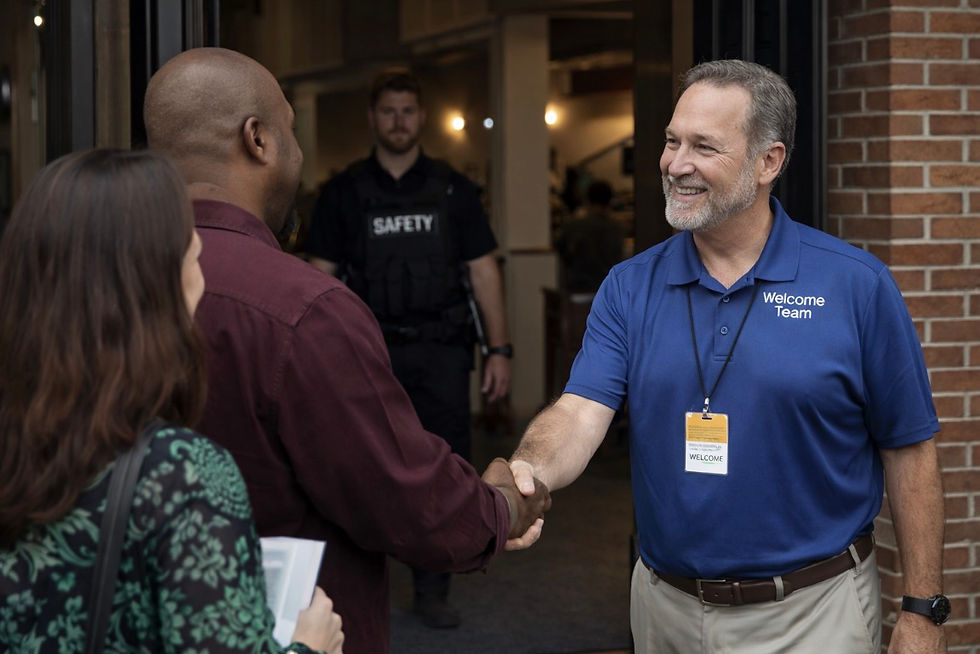
Some people might worry that emphasizing safety will make a church feel unwelcoming or overly cautious. But the truth is that preparedness brings peace. When a church has trained leaders and volunteers ready to respond to emergencies — whether that’s a medical issue, a fire, or a violent threat — it allows the congregation to worship freely without fear. True hospitality doesn’t ignore risk; it addresses it with wisdom and care.

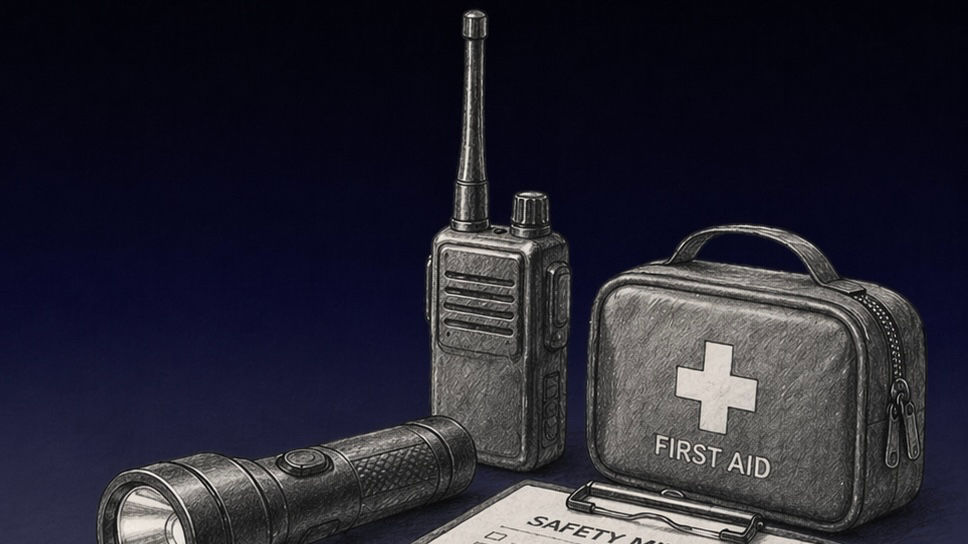
Every church, regardless of size, can take steps to strengthen its safety and security posture. Start by forming a dedicated team of trusted members who are committed to protecting others. Partner with professionals in church security training. Establish clear communication protocols, evacuation plans, and medical response procedures. And most importantly, train regularly — not once a year, but throughout the year, just as you would rehearse for any important mission.
The statistics make one thing clear: preparation saves lives. In several documented cases across the U.S., armed or trained security volunteers stopped active shooters within seconds, preventing mass casualties. Their readiness didn’t come from fear — it came from training, repetition, and a deep sense of responsibility for their church family.
At the end of the day, church security isn’t about fear; it’s about faith in action. It’s about protecting the people God has entrusted to our care. Just as we prepare spiritually through prayer, study, and fellowship, we must also prepare physically through training, planning, and vigilance. Because when we train together, we build trust, unity, and resilience — and that’s what keeps the church strong.

Comments