
The Importance of Security in Houses of Worship

Updated: Mar 13
Faith and Preparedness Are Not Opposites
One of the most common objections sounds spiritual on the surface: “We trust God to protect us.” However, Scripture never presents faith as passive negligence.
“But we prayed to our God, and because of them we set up a guard against them day and night.”
— Nehemiah 4:9
God’s people prayed and posted guards. Preparation did not replace faith; it expressed responsibility. Refusing to plan does not demonstrate trust; it demonstrates misunderstanding.
Denial of Reality Does Not Equal Safety
Many churches operate under the unspoken belief that violence or disruption simply would not happen here. That belief is not faith. It is denial.
“The prudent see danger and take refuge, but the simple keep going and suffer for it.”
— Proverbs 22:3
Churches are soft targets by design: open doors, predictable schedules, and large gatherings. Ignoring that reality does not protect anyone; it increases vulnerability.
The Fear of “Looking Like a Fortress”
A frequent concern among church leaders is that security will make the church appear unwelcoming or intimidating. That fear misunderstands what proper church security actually looks like.
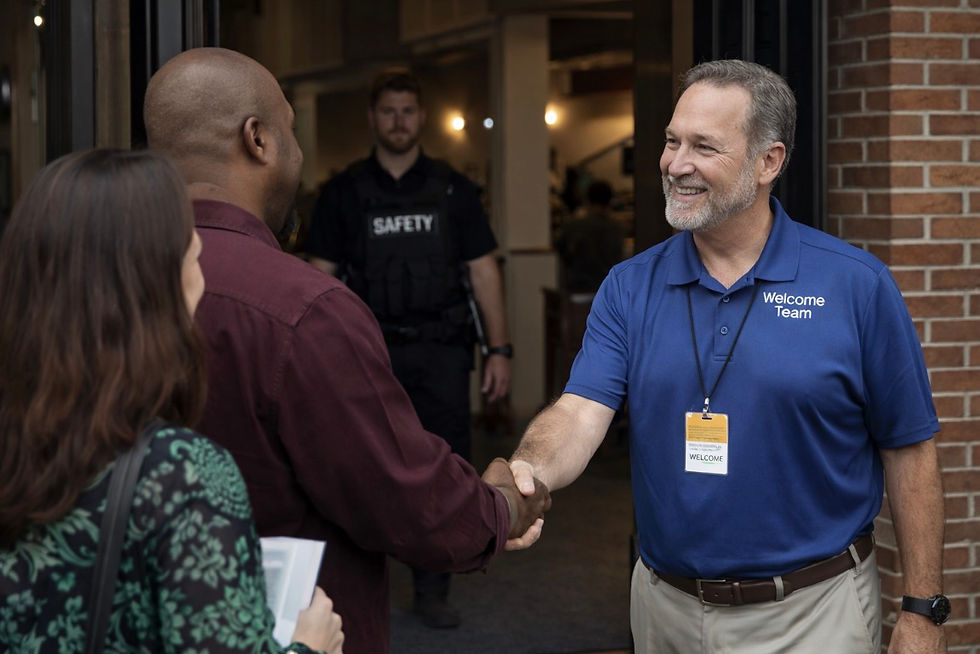
Well-designed church security is not militarized or aggressive. It is discreet, relational, and service-oriented. Most people never consciously notice it—but they feel safer because it is there.

Security done right does not compete with hospitality. It supports it.
“We Don’t Want to Act Like We Don’t Trust God”
Some resistance is theological. Leaders fear that implementing security sends the message that God cannot be trusted to protect His people. Scripture does not support that conclusion.
“If you don’t have a sword, sell your cloak and buy one.”
— Luke 22:36
This passage is not about violence; it is about readiness. Jesus acknowledged that His followers were entering a world where danger existed and preparation mattered. Trusting God has never meant ignoring reality.
No One Wants to Be the One Who Brings It Up
Security conversations are often delayed because no one wants to sound paranoid, fearful, or “unspiritual.” Staff members hesitate. Boards postpone. Volunteers stay silent.
Nothing changes until something happens.
After an incident, the discussion becomes urgent and emotional. But by then, it is reactive rather than strategic. Wisdom addresses risk before tragedy forces the issue.
Protecting the Flock Is Shepherding
Scripture consistently describes leaders as shepherds—not just teachers, but protectors.
“I know that after my departure savage wolves will come in among you, not sparing the flock.”
— Acts 20:29
Threats do not always announce themselves. Protecting children, seniors, volunteers, and visitors is not fear-driven; it is stewardship.

A trained, visible presence is not a lack of faith. It is an expression of care.
The Hard Truth
Violence does not care about theology. Emergencies do not wait for consensus. Good intentions do not stop bad actors.
Church security is not about expecting the worst. It is about being prepared to protect what God has entrusted to us when the unexpected happens.
The real question is not “Why would a church need security?”
The real question is “Why would we knowingly choose not to?”
Practical Steps for Implementing Security
Assessing Your Current Security Measures
Before making any changes, it’s crucial to assess your current security measures. What systems are already in place? Are they effective? This step helps identify gaps and areas for improvement.
Training Your Security Team
Once you have assessed your security measures, it’s time to focus on training. A well-trained security team is essential for maintaining a safe environment. Consider offering workshops and training sessions that cover various scenarios.
Engaging the Congregation
Security should not be a secretive operation. Engage your congregation in discussions about safety. This transparency builds trust and ensures everyone feels included in the safety process.
Establishing Clear Protocols
Create clear protocols for different situations, such as emergencies or disturbances. Make sure everyone knows their role and responsibilities. This clarity can save lives in critical moments.
Regular Drills and Evaluations
Conduct regular drills to ensure everyone is familiar with the protocols. After each drill, evaluate what worked and what didn’t. Continuous improvement is key to effective security.
Building Relationships with Local Law Enforcement
Establish a relationship with local law enforcement. They can provide valuable insights and support. Having a direct line of communication can enhance your church's security measures.
Creating a Culture of Safety
Finally, foster a culture of safety within your congregation. Encourage open discussions about security and make it a regular topic. This proactive approach can help everyone feel more secure.
The Importance of Community Involvement
Building a Supportive Environment
Creating a safe environment goes beyond just physical security. It involves building a supportive community. Encourage members to look out for one another. This sense of belonging can deter potential threats.
Training Congregants on Awareness
Consider offering training sessions for congregants on situational awareness. Teaching them how to recognize suspicious behavior can empower them to contribute to the church’s safety.
Encouraging Open Communication
Maintain open lines of communication within the congregation. Encourage members to report any concerns they may have. This openness fosters trust and strengthens the community.
Conclusion
In conclusion, the need for security in houses of worship is undeniable. By addressing these concerns, we can create a safer environment for our congregations. Remember, being prepared is not a lack of faith; it is an expression of love and responsibility.
By taking these steps, we can ensure that our houses of worship remain places of peace and safety. As we work together, we can create a sanctuary that not only welcomes all but also protects them.
Let us embrace our responsibility to safeguard our community. After all, “The only thing necessary for the triumph of evil is for good men to do nothing.”
By implementing these strategies, we can become the peacemakers of the sanctuary united in purpose and action.

Comments